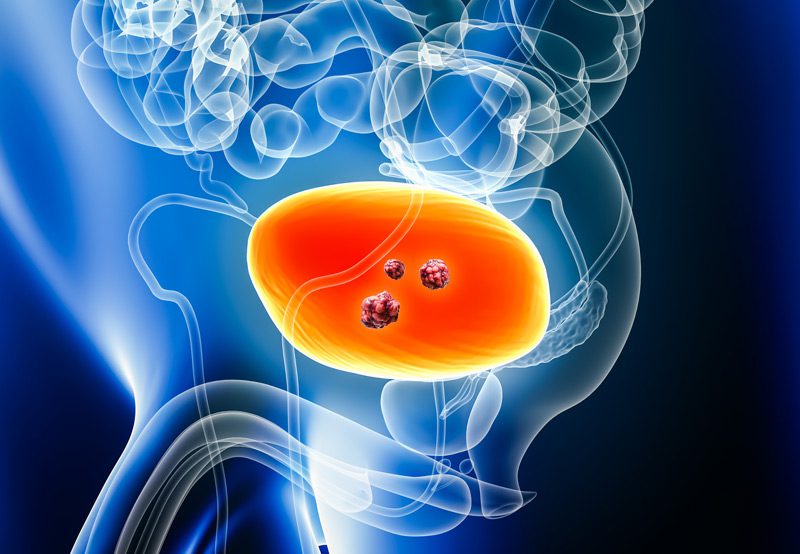
Trimodal therapy is a bladder-sparing treatment option for patients with muscle-invasive bladder cancer (MIBC) who wish to avoid or are not candidates for radical cystectomy (complete bladder removal). It combines three key components—maximal transurethral resection of the bladder tumor (TURBT), radiation therapy, and concurrent chemotherapy—to preserve bladder function while effectively treating the cancer.
Who Is a Candidate?
Trimodal therapy is typically considered for patients with:
- Muscle-invasive bladder cancer confined to the bladder wall
- A tumor that can be completely or nearly completely resected via TURBT
- No evidence of high-volume carcinoma in situ or hydronephrosis
- Good bladder function and overall health to tolerate combined treatment
Treatment Components
- TURBT (Transurethral Resection of Bladder Tumor): The first step is to surgically remove as much of the bladder tumor as possible. A successful and complete TURBT is essential for the best outcomes with bladder preservation.
- Radiation Therapy: Following TURBT, radiation is delivered directly to the bladder over several weeks to destroy remaining cancer cells. It’s typically given on a daily outpatient schedule.
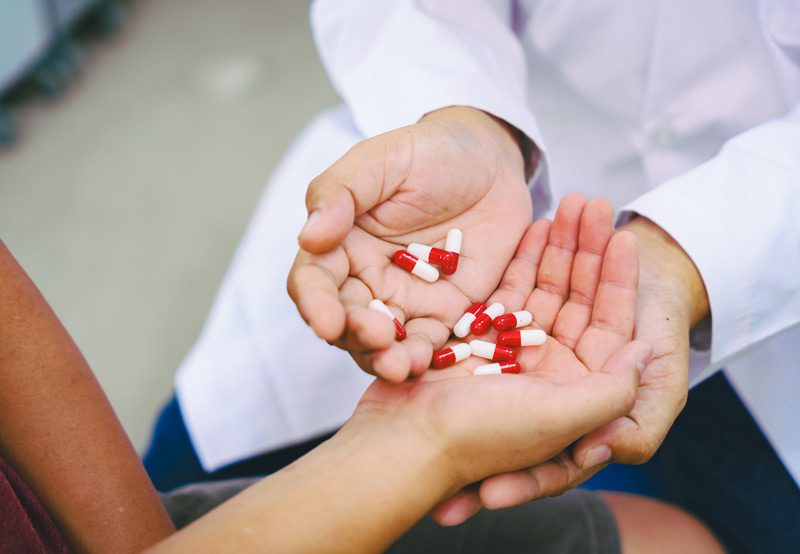
- Concurrent Chemotherapy: Chemotherapy is administered during radiation to enhance its effectiveness. The drugs sensitize cancer cells, making them more vulnerable to radiation damage. Common agents include cisplatin, 5-FU, or mitomycin C, depending on patient tolerance and kidney function.
Goals and Outcomes
The primary goal of trimodal therapy is to achieve local tumor control while preserving bladder structure and function. Studies show that, in carefully selected patients, trimodal therapy offers survival outcomes comparable to radical cystectomy, with the added benefit of maintaining urinary function and quality of life.
Follow-Up and Surveillance
Patients must be committed to a rigorous follow-up schedule, including:
- Regular cystoscopic evaluations
- Urine cytology testing
- Imaging studies to monitor for recurrence
If the cancer returns or progresses, salvage cystectomy remains an option.
Advantages
- Organ preservation with intact bladder function
- Comparable survival rates to surgery in select patients
- Less invasive approach with a shorter recovery time
Considerations
Trimodal therapy is not suitable for all patients. The cancer must be localized, and patients must be able to undergo radiation and chemotherapy. Close follow-up is critical for early detection of recurrence.
This treatment approach represents a personalized alternative for patients prioritizing bladder preservation without compromising cancer control.