
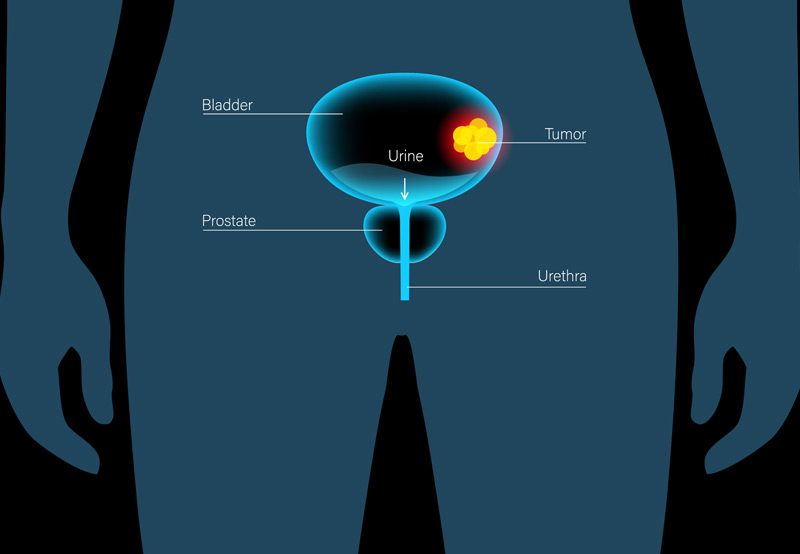

Prostate cancer is one of the most common cancers affecting men, typically occurring in individuals over age 50. It begins in the prostate gland, a small, walnut-sized organ that produces seminal fluid. While some prostate cancers grow slowly and may never cause significant problems, others are more aggressive and require timely intervention. Understanding the signs, risk factors, and treatment options is essential for effective management.
Symptoms of Prostate Cancer
In its early stages, prostate cancer often causes no symptoms. As the disease progresses, symptoms may include:
- Difficulty urinating or weak urine flow
- Frequent urination, especially at night
- Blood in the urine or semen
- Painful ejaculation
- Pelvic discomfort or bone pain (in advanced cases)
Because these symptoms can overlap with benign conditions like BPH or prostatitis, proper diagnosis is critical.

Risk Factors
- Age: Risk increases significantly after age 50
- Family History: Having a first-degree relative with prostate cancer raises risk
- Race: African American men are more likely to develop aggressive prostate cancer
- Genetics: BRCA1/BRCA2 mutations may increase risk
- Lifestyle: Diets high in red meat or dairy and low in fruits/vegetables may contribute
Diagnosis
Prostate cancer is often detected through:
- PSA Test: Measures prostate-specific antigen in the blood
- Digital Rectal Exam (DRE): Allows the physician to feel for abnormalities
- MRI and Imaging: Used to assess tumor size and location
- Prostate Biopsy: Confirms diagnosis by evaluating tissue under a microscope
If cancer is found, grading and staging determine how aggressive it is and whether it has spread.
Treatment Options
Treatment depends on the stage, grade, patient health, and personal preferences. Options include:
- Active Surveillance: For low-risk cancers; involves regular monitoring
- Radical Prostatectomy: Surgical removal of the prostate
- Radiation Therapy: External beam or brachytherapy targeting cancer cells
- Hormone Therapy: Lowers testosterone to slow cancer growth
- Chemotherapy: Used in advanced or resistant cases
- Immunotherapy/Targeted Therapy: For certain advanced cancers with genetic markers
Living With and Beyond Prostate Cancer
Many men live long, healthy lives after prostate cancer. Side effects from treatment, such as erectile dysfunction or urinary incontinence, are common but often manageable with rehabilitation, medications, or surgical interventions.
Screening and Prevention
Routine PSA testing is a key tool in early detection. Men should discuss screening with their healthcare provider starting around age 50, or earlier if at higher risk. Lifestyle changes like a balanced diet, regular exercise, and avoiding tobacco may help lower risk.
Prostate cancer care is highly individualized. Working with a urologic cancer specialist can ensure the best treatment approach based on your unique needs.