
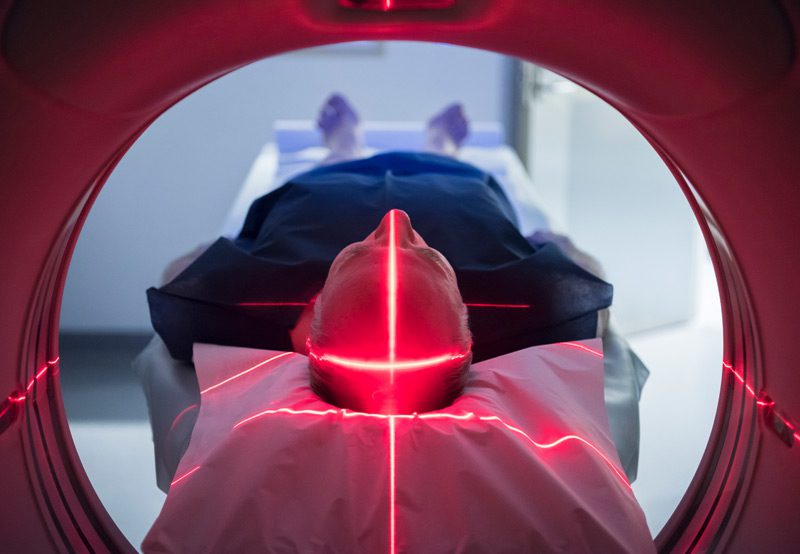

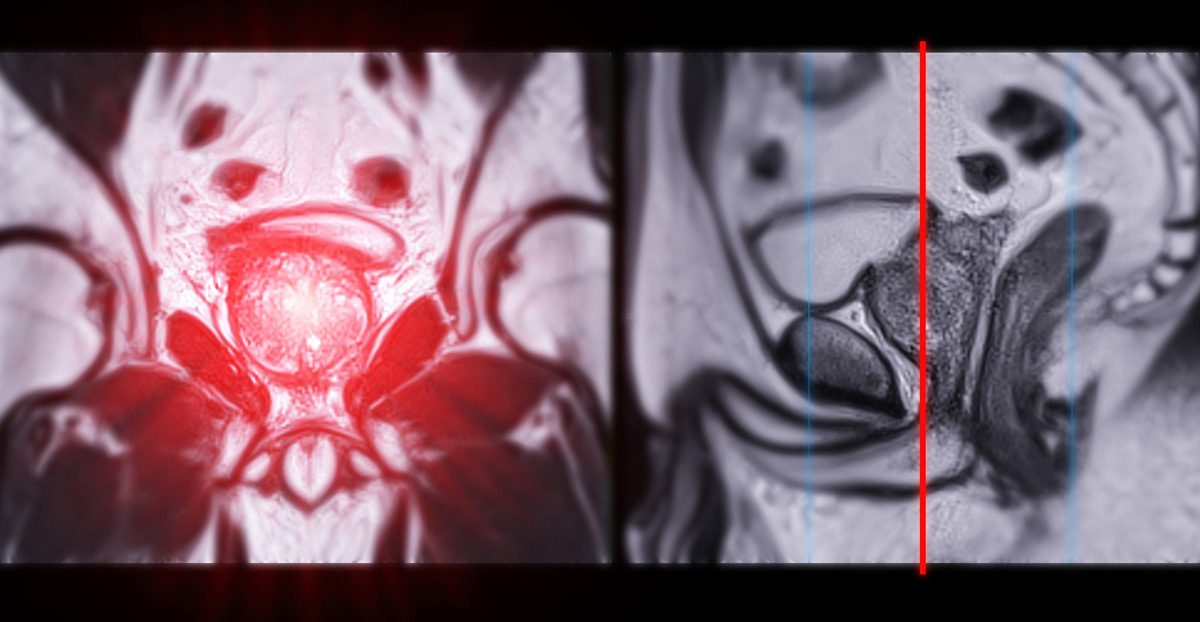
MRI fusion biopsy is an advanced diagnostic technique used to detect and evaluate prostate cancer with greater accuracy than traditional methods. It combines detailed imaging from a multiparametric MRI (mpMRI) with real-time ultrasound to target specific areas of the prostate where suspicious lesions are present. This fusion approach allows for a more precise and effective biopsy, especially when prior biopsies have been inconclusive or when PSA levels remain elevated.
How It Works
The process begins with an MRI scan that identifies abnormal or potentially cancerous areas in the prostate. These images are then “fused” with live transrectal ultrasound during the biopsy procedure, providing a 3D roadmap that guides the urologist to suspicious targets. Specialized software aligns the images, enabling real-time tracking and accurate needle placement.
Advantages Over Traditional Biopsy
- Improved Detection: MRI fusion targets the most concerning areas, increasing the likelihood of detecting clinically significant prostate cancer.
- Fewer Biopsy Cores: Fewer tissue samples may be needed compared to systematic biopsy, reducing discomfort and complications.
- Better Risk Stratification: Helps differentiate between aggressive and indolent cancers, aiding in treatment planning or active surveillance decisions.
- Reduced Repeat Procedures: Higher accuracy may reduce the need for repeat biopsies in cases with previously negative results.
Who Should Consider MRI Fusion Biopsy?
MRI fusion biopsy is typically recommended for:
- Men with elevated PSA levels but a prior negative standard biopsy
- Individuals with abnormal digital rectal exam findings
- Patients with MRI-visible lesions that require targeted assessment
- Candidates for active surveillance who require better tumor mapping
What to Expect
The biopsy is usually performed in an outpatient setting using local anesthesia. A transrectal or transperineal approach may be used depending on the clinical situation and physician preference. The entire procedure typically takes 30 to 60 minutes. Afterward, patients may experience mild soreness, blood in the urine or semen, and slight rectal bleeding—all of which usually resolve within a few days.
Clinical Role in Prostate Cancer Management
MRI fusion biopsy has become a valuable tool in the diagnosis and management of prostate cancer. Its precision not only improves cancer detection rates but also helps guide decisions on whether a patient should undergo treatment or remain on active surveillance. It is particularly important for identifying higher-grade disease that might be missed with systematic biopsy alone.
MRI fusion biopsy represents a significant advancement in prostate cancer diagnostics, offering patients a more personalized and accurate approach to care.