
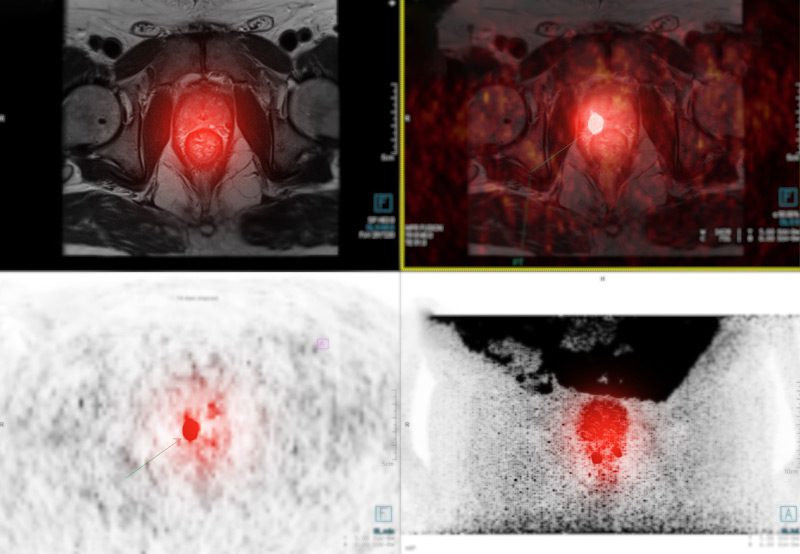
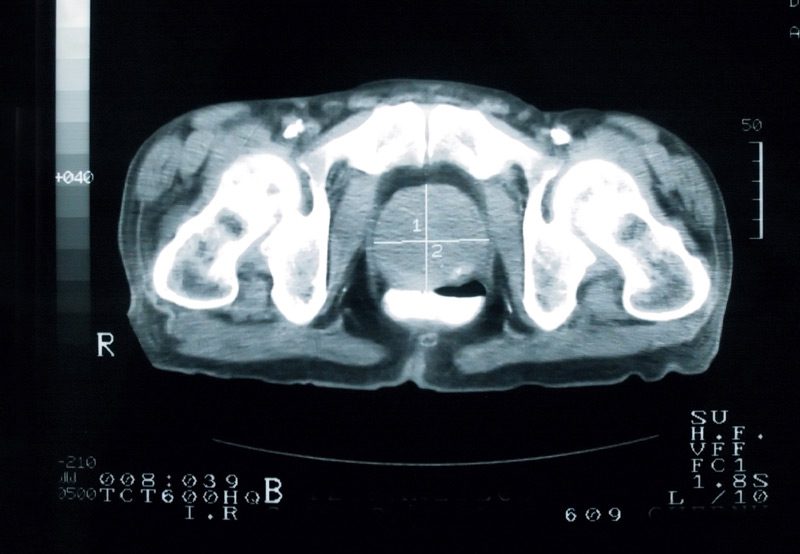
Advanced imaging techniques like PSMA PET and multiparametric MRI (mpMRI) are transforming the way prostate cancer is diagnosed, staged, and monitored. These tools offer far greater accuracy than conventional imaging, allowing for more precise treatment decisions and better outcomes.
PSMA PET Scans
Prostate-specific membrane antigen positron emission tomography (PSMA PET) is a cutting-edge imaging modality that detects prostate cancer cells using a radiotracer that binds to PSMA—a protein found in high levels on prostate cancer cells. After the tracer is injected, a PET scan highlights cancerous areas with remarkable clarity.
PSMA PET is especially useful for:
- Detecting prostate cancer recurrence when PSA levels begin to rise after treatment
- Identifying lymph node or distant metastases at initial diagnosis
- Guiding treatment planning in advanced or high-risk prostate cancer
Compared to conventional CT or bone scans, PSMA PET detects cancer spread earlier and with higher sensitivity, helping tailor treatments to the exact extent of disease.

Multiparametric MRI (mpMRI)
Multiparametric MRI combines anatomical and functional imaging to visualize prostate tumors in high resolution. It assesses prostate tissue using various MRI sequences, including T2-weighted imaging, diffusion-weighted imaging, and dynamic contrast enhancement.
mpMRI is typically used for:
- Identifying suspicious areas before biopsy
- Guiding targeted prostate biopsies (especially for men with prior negative biopsies)
- Determining tumor size, location, and aggressiveness
- Monitoring patients on active surveillance
mpMRI helps distinguish clinically significant cancers, reducing unnecessary biopsies and improving diagnostic confidence.
Benefits of Advanced Imaging
- Improved Detection: Identifies tumors or metastases that other scans may miss
- Precision Targeting: Guides biopsies and treatments to the most relevant areas
- Reduced Overtreatment: Helps avoid unnecessary interventions by clarifying cancer severity
- Better Staging: More accurately defines the extent of disease for treatment planning
When Is Advanced Imaging Recommended?
Advanced imaging is not needed for every patient with prostate cancer. It is most often recommended for:
- Men with elevated PSA and prior negative biopsies
- High-risk or unfavorable intermediate-risk disease
- Biochemical recurrence (rising PSA after treatment)
- Monitoring during active surveillance when MRI-visible lesions are present
By offering unmatched visibility into prostate cancer, PSMA PET and mpMRI enable a more personalized and precise approach to care, helping patients avoid both over- and under-treatment.