
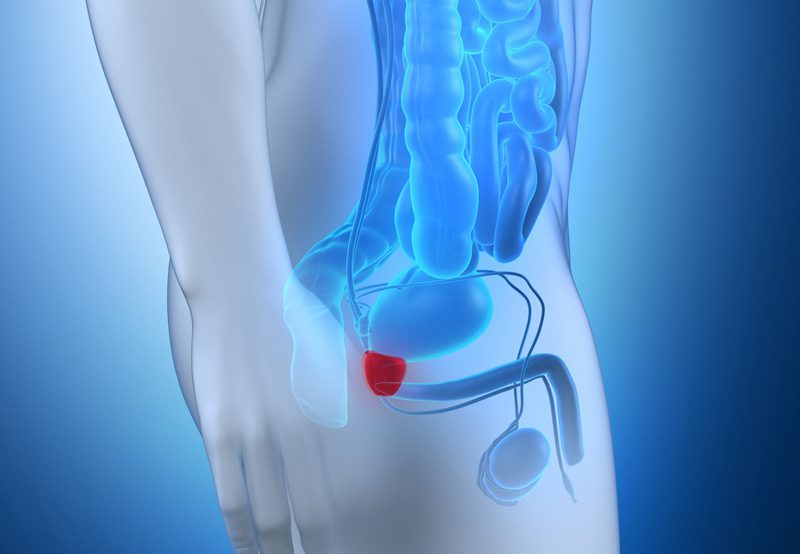
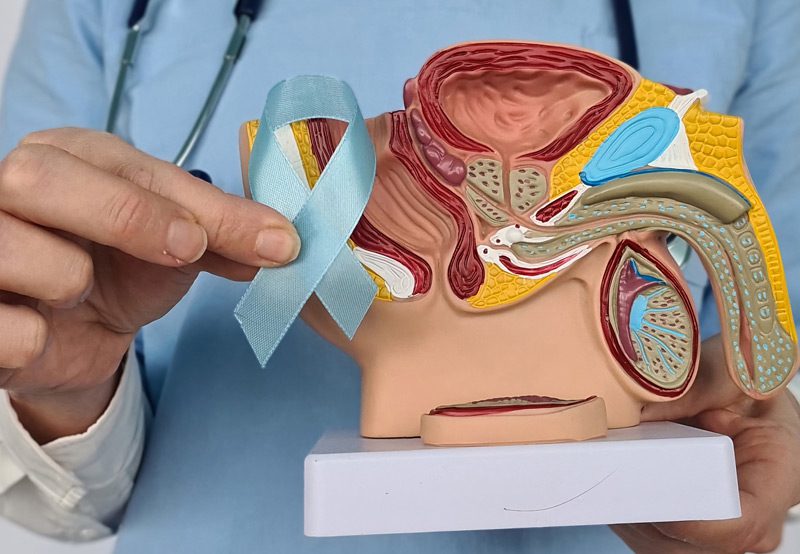
Penile cancer is a rare but serious condition that begins in the skin or tissues of the penis. Most cases are squamous cell carcinoma, originating in the cells that line the surface of the penis. Early diagnosis is critical, as outcomes are significantly better when the disease is detected in its early stages. Penile cancer most commonly affects men over the age of 50 and is more prevalent among individuals with poor hygiene, smoking history, or persistent HPV infection.
Signs and Symptoms
- A growth, sore, or lump on the penis that may bleed or not heal
- Changes in skin color or thickness on the penile shaft or foreskin
- Foul-smelling discharge
- Swelling at the end of the penis
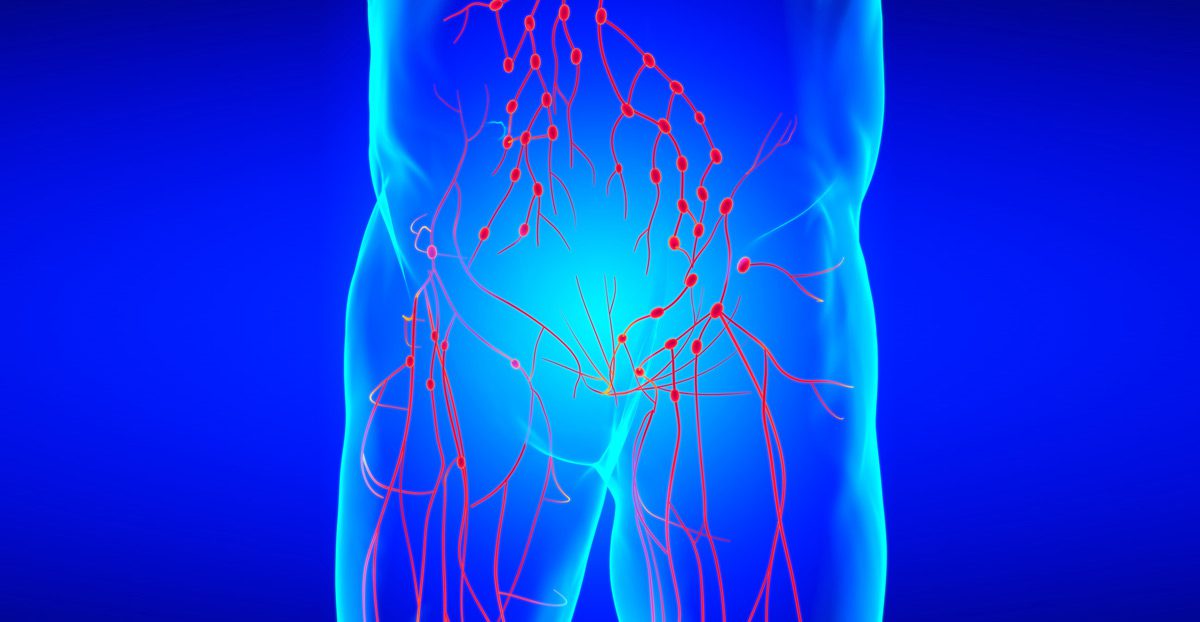
- Enlarged lymph nodes in the groin
These symptoms may be mistaken for other less serious conditions, such as infections or inflammatory disorders, which can delay diagnosis.
Diagnosis
Evaluation typically begins with a physical exam and may include a biopsy to confirm the presence and type of cancer. Imaging tests like MRI, CT scan, or ultrasound may be used to determine the extent of the disease and whether lymph nodes or other tissues are involved.
Treatment Options
Treatment depends on the size, location, and stage of the cancer. Options may include:
- Topical Therapy: For very early-stage cancers, medicated creams may be used.
- Laser or Mohs Surgery: May be used to remove superficial cancers with minimal damage to surrounding tissue.
- Excisional Surgery: Removal of the tumor and some surrounding tissue.
- Partial or Total Penectomy: In more advanced cases, part or all of the penis may need to be surgically removed. Reconstruction options may follow.
- Lymph Node Dissection: If cancer has spread to the lymph nodes, surgical removal may be necessary.
- Radiation or Chemotherapy: These may be used in combination with surgery, especially in cases of advanced disease or recurrence.
Reconstruction and Recovery
After surgery, especially partial or total penectomy, reconstructive options may be considered to restore urinary and sexual function. Supportive care—including physical therapy, counseling, and sexual health rehabilitation—is often recommended as part of recovery.
Emotional and Psychological Support
A penile cancer diagnosis can have a significant emotional impact, affecting identity, relationships, and self-esteem. Patients are encouraged to seek support through counseling, survivor groups, or sexual health specialists.
Prevention and Risk Reduction
- Practicing good hygiene, especially for uncircumcised men
- Avoiding tobacco products
- Receiving the HPV vaccine
- Regular self-examination and prompt evaluation of any penile changes
If you notice persistent or unusual changes to the skin of the penis, seek evaluation from a urologist as early as possible. Early detection remains the most important factor in successful treatment of penile cancer.