
Quality of Life Care

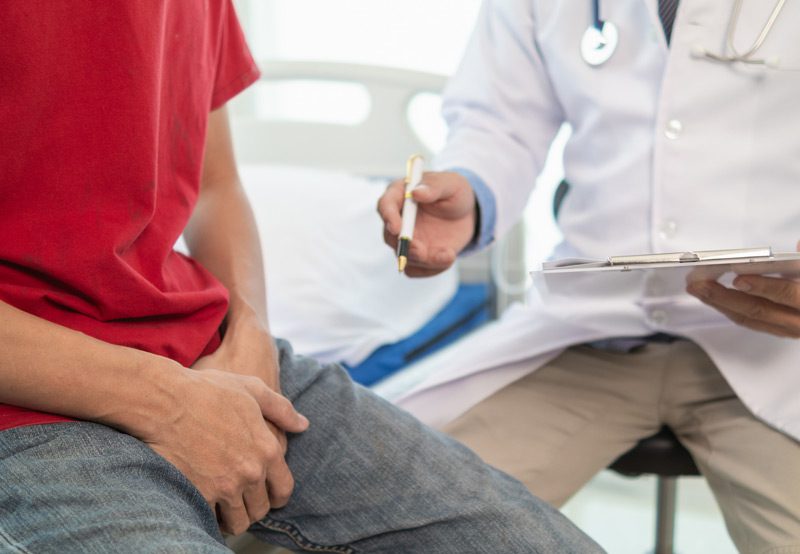
Urologist-consulting-a-patient-about-prostate-problems
Middle-aged-man-hiking-in-woods

Quality of life (QoL) care is an essential part of treating patients with urologic cancers, focusing not just on survival, but on preserving dignity, independence, and daily functioning during and after treatment. Whether a patient is undergoing surgery, radiation, systemic therapy, or surveillance, comprehensive QoL care addresses physical, emotional, sexual, and social well-being.

Managing Treatment Side Effects

Urologic oncology treatments can cause side effects that impact daily life. Quality of life care includes strategies to manage:

  • Urinary Symptoms: Incontinence, urgency, or retention are common after prostate or bladder cancer treatment. Pelvic floor therapy, medications, or surgical interventions like male slings or artificial urinary sphincters may be offered.
  • Sexual Dysfunction: Erectile dysfunction after prostate cancer treatment or body image concerns after penile or testicular cancer can affect intimacy. QoL care includes counseling, medications, devices like vacuum erection aids, or penile prosthesis if needed.
  • Fatigue and Pain: Cancer-related fatigue, neuropathy from chemotherapy, or post-surgical pain are addressed through medication, physical therapy, or lifestyle adjustments.
CONTACT US TODAY
Female-doctor-holding-a-virtual-3D-bladder-model

Emotional and Mental Health Support

A cancer diagnosis often brings anxiety, depression, or fear of recurrence. QoL care includes:

  • Access to licensed therapists or support groups
  • Guidance in managing emotional stressors and adjustment to life post-treatment
  • Coordination with palliative care teams for advanced disease to prioritize comfort and support decision-making

Lifestyle and Nutrition Counseling

Patients are supported in making sustainable lifestyle changes to improve energy, strength, and overall health. QoL programs may include:

  • Nutritional guidance during or after treatment
  • Physical activity planning to rebuild stamina
  • Smoking cessation and alcohol moderation support

Survivorship Planning

As patients complete treatment, survivorship care helps them navigate life beyond cancer. This may include:

  • Monitoring for recurrence with appropriate imaging and labs
  • Managing long-term or late-onset side effects
  • Rebuilding confidence and returning to work or social activities
  • Fertility preservation counseling, if applicable

Patient-Centered Communication

Above all, quality of life care prioritizes clear communication between providers and patients. Goals of care discussions, advanced care planning, and shared decision-making ensure that each patient’s values guide their treatment path—especially in cases of advanced or incurable disease.

Urologic oncology teams that integrate quality of life care throughout the cancer journey provide not just treatment, but holistic, compassionate care tailored to the whole person.