
Partial/Radical Nephrectomy

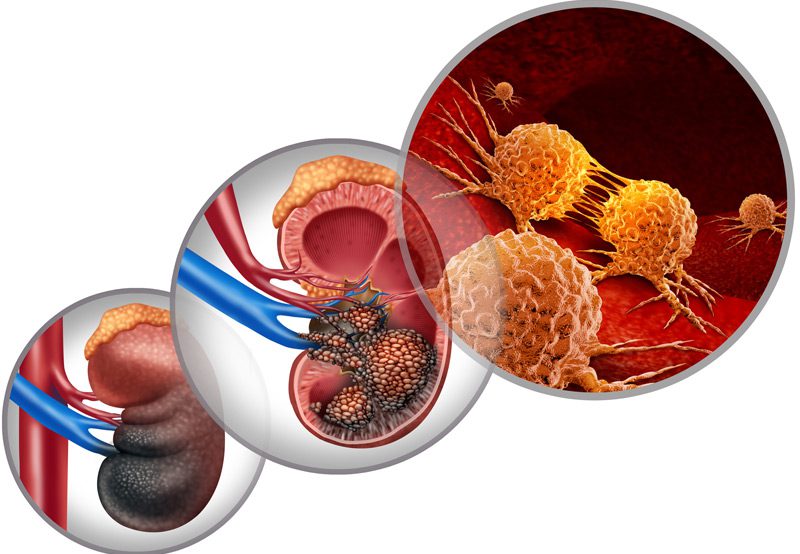
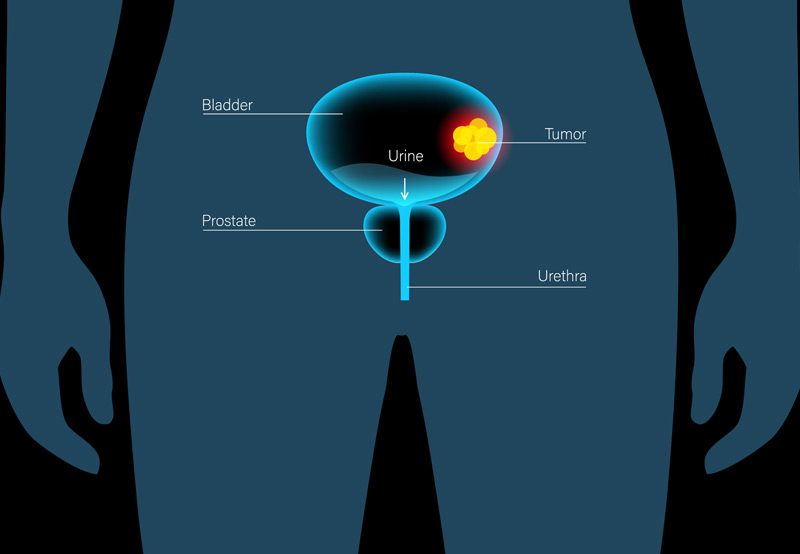
Vector-illustration-showing-kidney-cancer-anatomy
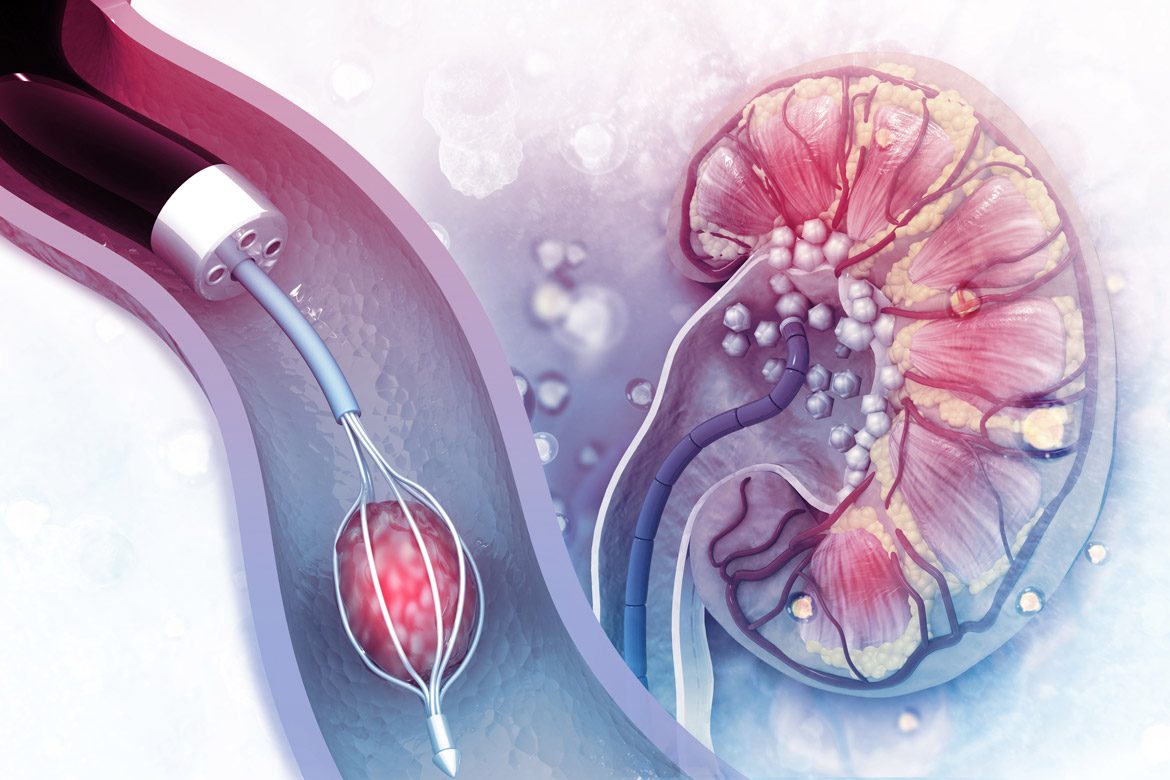
Concept-of-kidney-surgery-with-3D-model

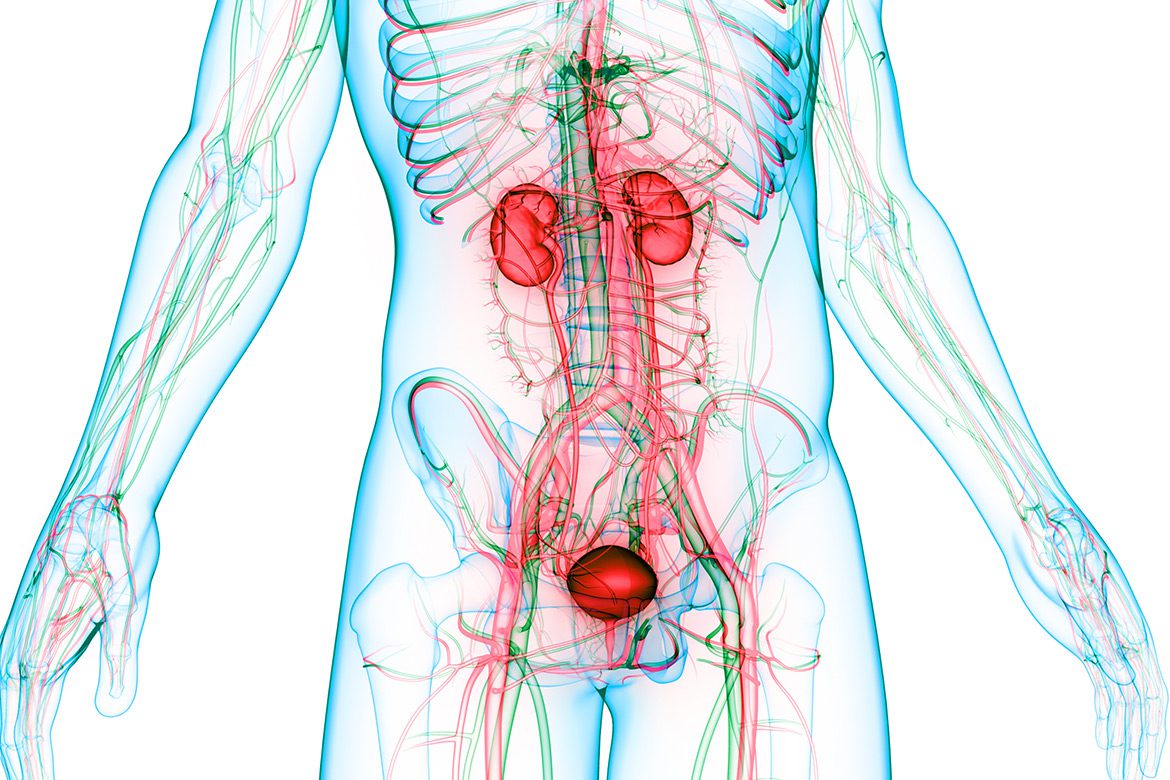
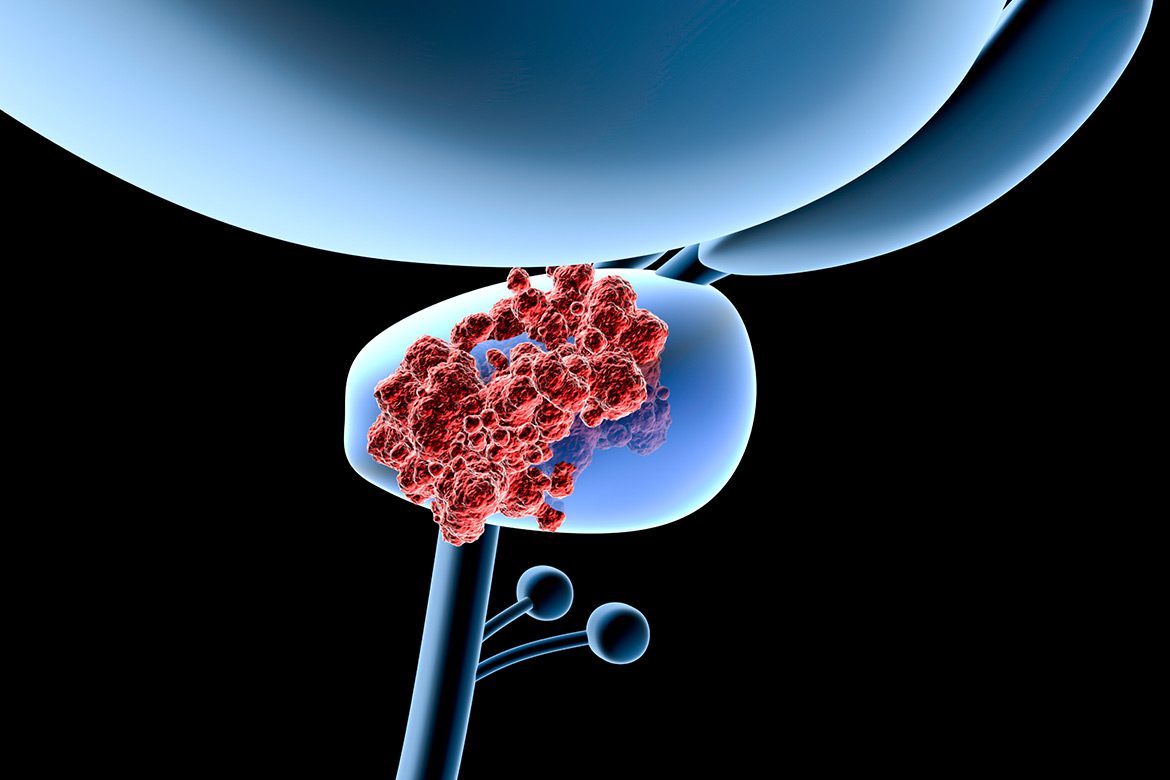
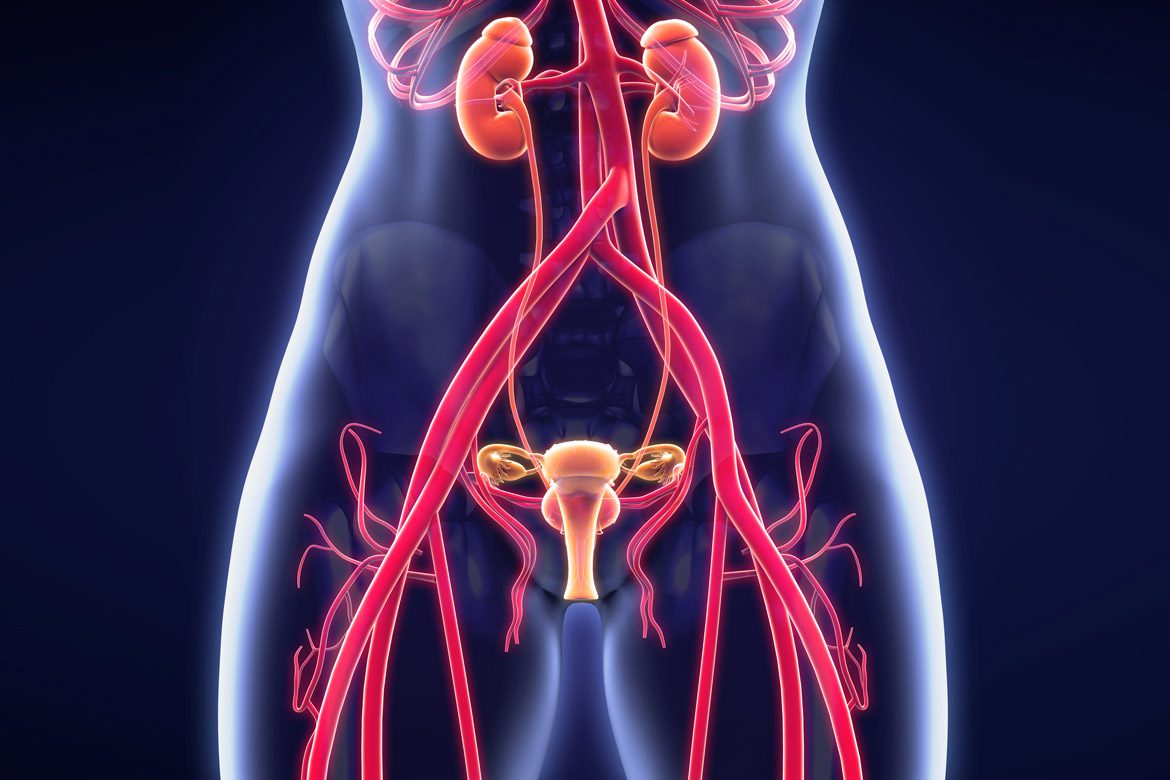
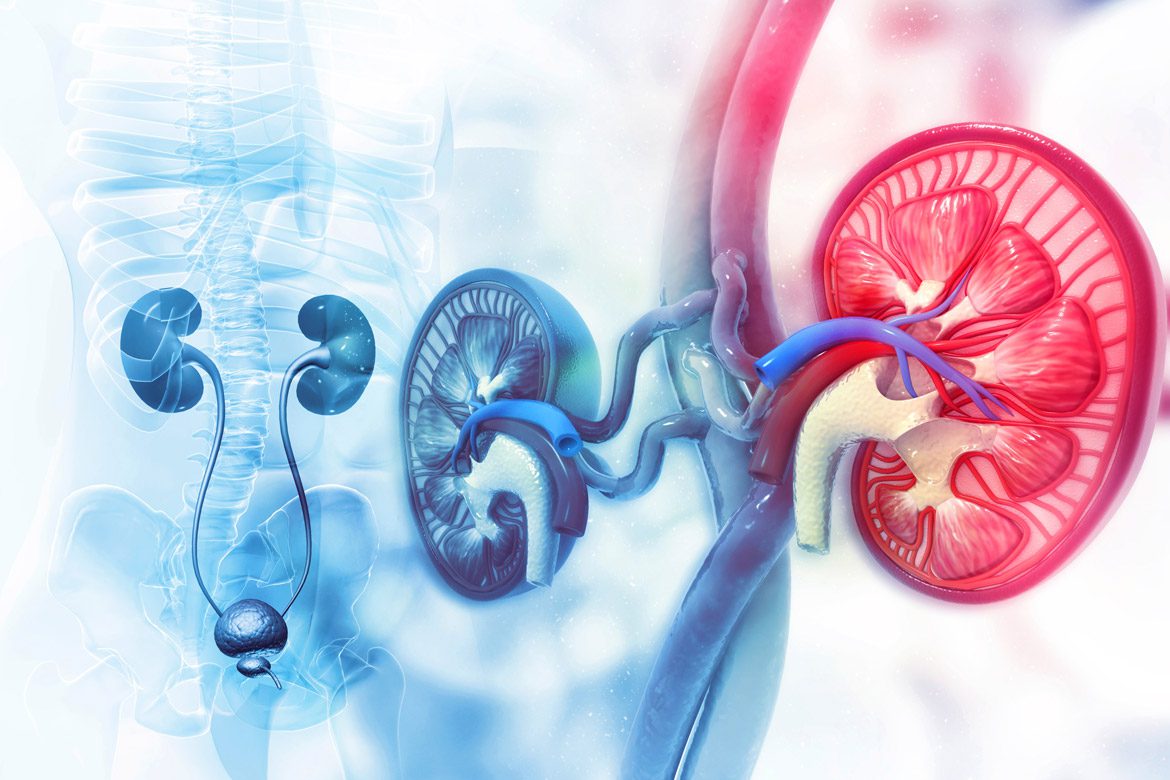
A nephrectomy is a surgical procedure to remove part or all of a kidney and is typically performed to treat kidney cancer, large or complex kidney tumors, or other serious kidney conditions. There are two primary types of nephrectomy:

  • Partial Nephrectomy: Only the tumor or diseased portion of the kidney is removed, preserving as much healthy kidney tissue as possible.
  • Radical Nephrectomy: The entire kidney is removed, often along with surrounding structures such as the adrenal gland, ureter, and nearby lymph nodes, depending on the extent of disease.

Both procedures can be performed using open surgery or minimally invasive techniques such as laparoscopic or robotic-assisted surgery.

When Is Partial Nephrectomy Recommended?

Partial nephrectomy is generally preferred for patients with:

  • Small tumors (typically under 4 cm)
  • Tumors confined to one part of the kidney
  • Good overall kidney function or a single functioning kidney
  • Higher risk of chronic kidney disease if more tissue is removed

Preserving healthy kidney tissue is especially important for maintaining long-term renal function and reducing the risk of dialysis.

CONTACT US TODAY
Doctor-consulting-with-patient

When Is Radical Nephrectomy Necessary?

Radical nephrectomy may be the best option when:

  • Tumors are large or centrally located
  • The cancer has spread beyond the kidney
  • There is significant damage to surrounding kidney tissue
  • Partial nephrectomy is not technically feasible or safe

In some cases, radical nephrectomy may also be used for non-cancerous conditions such as severe trauma or infection that has destroyed most of the kidney.

Minimally Invasive Options

Whenever possible, nephrectomies are performed using robotic or laparoscopic techniques. These approaches involve small incisions, less blood loss, reduced postoperative pain, and faster recovery compared to traditional open surgery.

What to Expect During Recovery

Most patients remain in the hospital for 1-3 days after surgery, depending on the surgical approach and overall health. Common postoperative symptoms include mild discomfort, fatigue, and temporary changes in urination. Most individuals can resume normal activity within 4-6 weeks. Follow-up includes imaging and kidney function tests to monitor recovery and ensure there is no recurrence of disease.

Long-Term Outlook

For patients with cancer, nephrectomy can be most effective when the disease is localized. Preserving kidney function is a major priority, and partial nephrectomy, when appropriate, offers excellent oncologic outcomes while maintaining renal health. Radical nephrectomy remains a reliable and necessary tool for managing more aggressive or widespread disease.