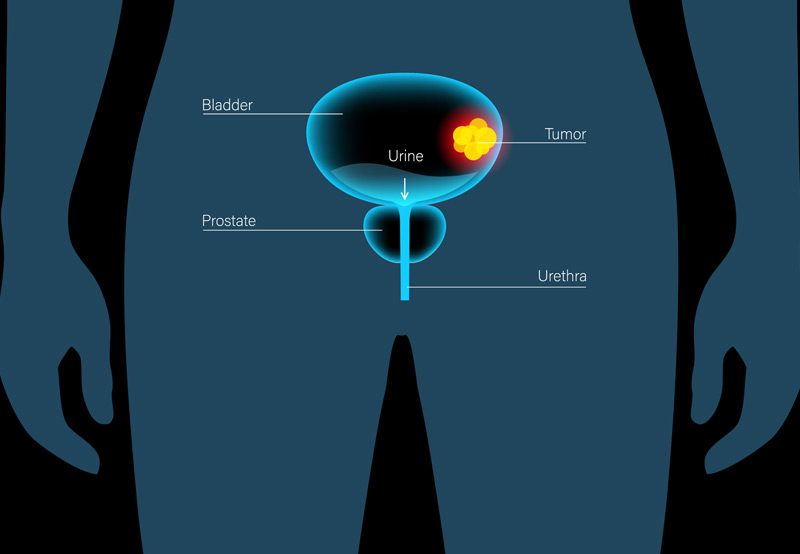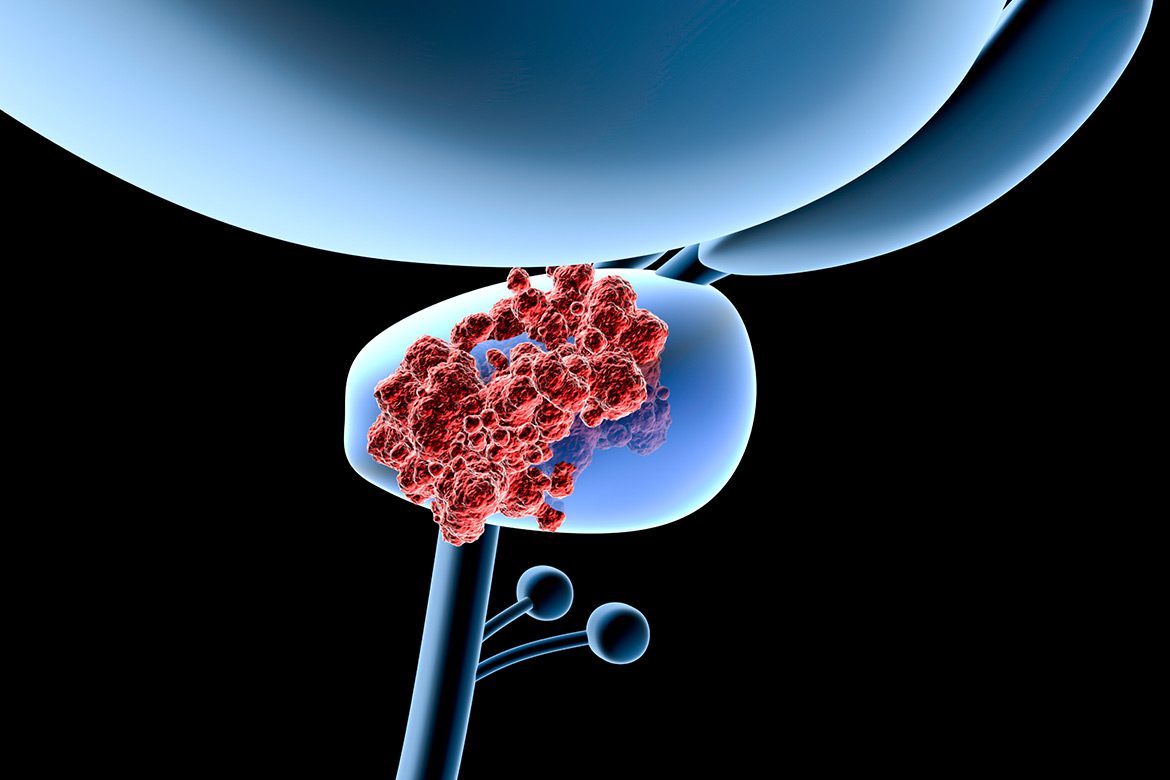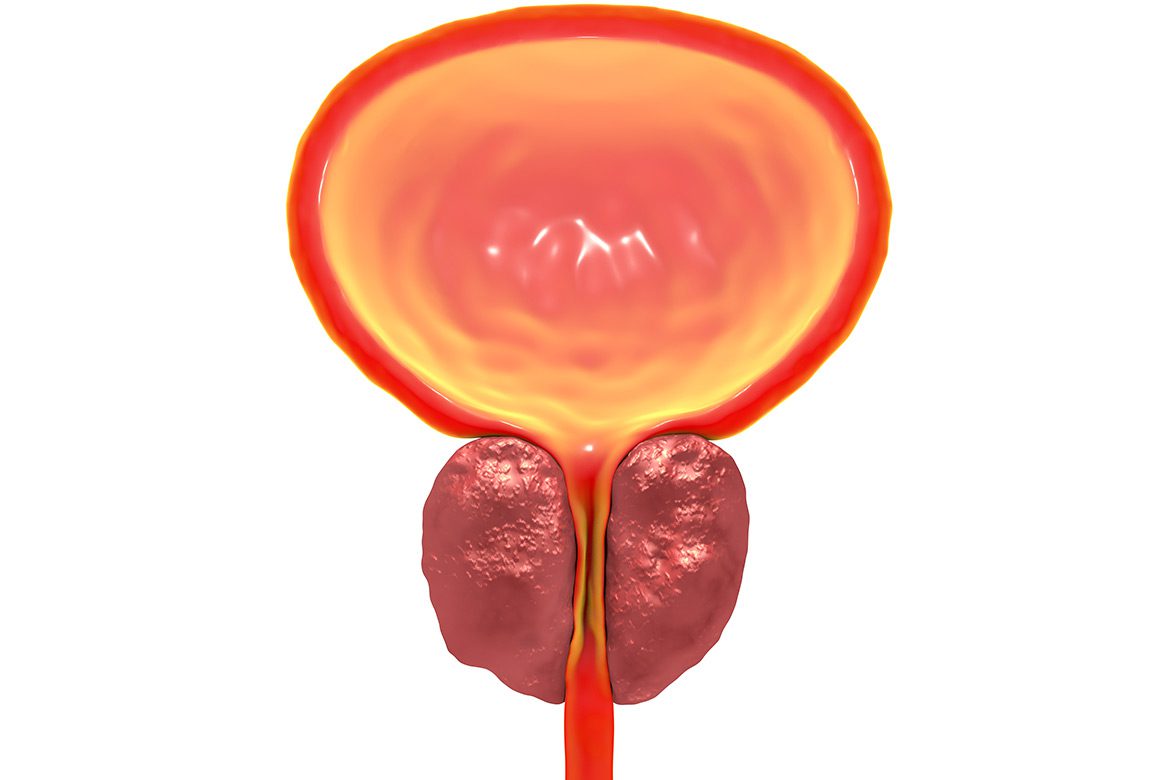


Bladder preservation is an approach to bladder cancer treatment that aims to eliminate cancer while maintaining the patient’s natural bladder and urinary function. This strategy is typically considered for patients with muscle-invasive bladder cancer (MIBC) who wish to avoid or delay radical cystectomy (bladder removal), provided they meet specific clinical criteria.
Who Is a Candidate for Bladder Preservation?
Candidates for bladder-sparing therapy usually have:
- A solitary, resectable tumor
- No extensive carcinoma in situ (CIS)
- No evidence of hydronephrosis
- Good bladder function
- Strong preference for avoiding cystectomy
- Overall good health to tolerate combined-modality treatment
Bladder preservation is not appropriate for all patients and requires careful multidisciplinary evaluation.

Trimodal Therapy (TMT)
The most established bladder-preservation strategy is trimodal therapy, which includes:
- Maximal Transurethral Resection (TURBT): A surgical procedure to remove as much of the tumor as possible
- Radiation Therapy: Targets remaining cancer cells in the bladder
- Chemotherapy: Given concurrently with radiation to enhance its effectiveness
TMT offers the best chance for cancer control while preserving bladder function and quality of life. Long-term studies show that selected patients can achieve survival rates comparable to those who undergo cystectomy.
Other Bladder-Sparing Options
- Neoadjuvant Chemotherapy Alone: Rarely used as monotherapy, but may be considered for highly selected patients
- Immunotherapy Trials: Emerging evidence suggests that immune checkpoint inhibitors may play a role in bladder preservation, especially for patients ineligible for cisplatin-based chemotherapy
- Radiation Therapy Alone: May be considered for patients who cannot tolerate chemotherapy, though outcomes are generally less favorable than with combined therapy
Monitoring and Follow-Up
Patients undergoing bladder-preserving therapy require close follow-up, typically including:
- Regular cystoscopy
- Urine cytology
- Imaging of the urinary tract
Any signs of recurrent or non-responding disease may necessitate a shift to radical cystectomy. Salvage cystectomy remains an effective option if bladder preservation fails.
Benefits and Considerations
- Preservation of Bladder Function: Maintains normal urination and avoids the need for urinary diversion
- Quality of Life: Many patients experience better post-treatment quality of life compared to those undergoing radical surgery
- Intensive Follow-Up Required: Success depends on vigilant monitoring and timely intervention if recurrence occurs
- Not Suitable for All Cases: Outcomes depend heavily on tumor characteristics and treatment response
Bladder preservation offers a promising alternative for well-selected patients, balancing effective cancer control with the desire to maintain normal urinary function. A multidisciplinary team approach is essential to determine the most appropriate treatment pathway.