
Urethral Cancer

Male-patient-consulting-with-doctor
Photomicrograph-showing-urine-cytology-with-epithelial-cells

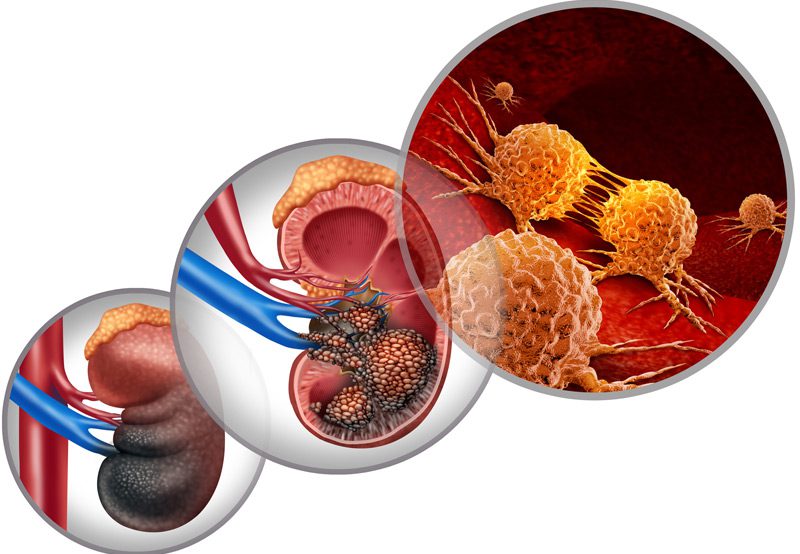
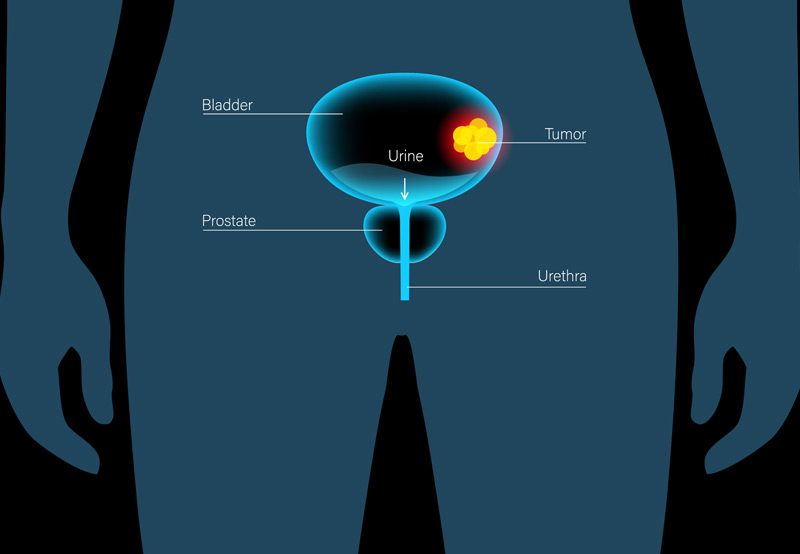
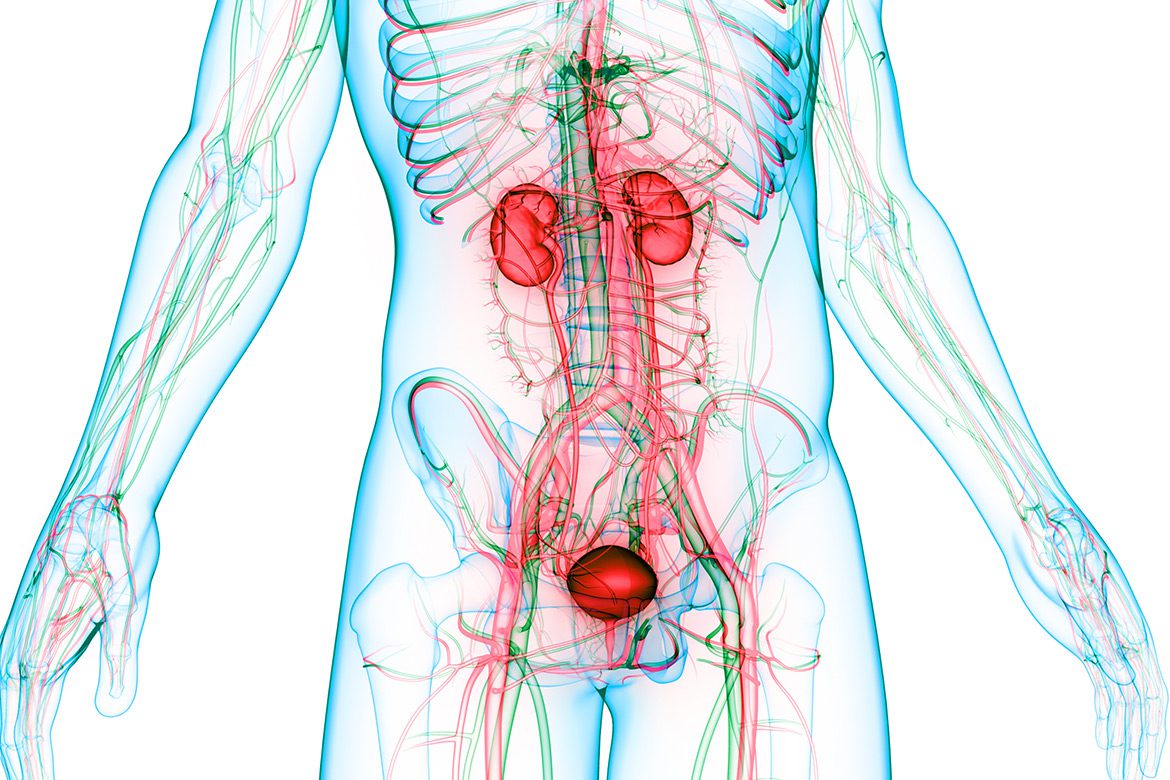
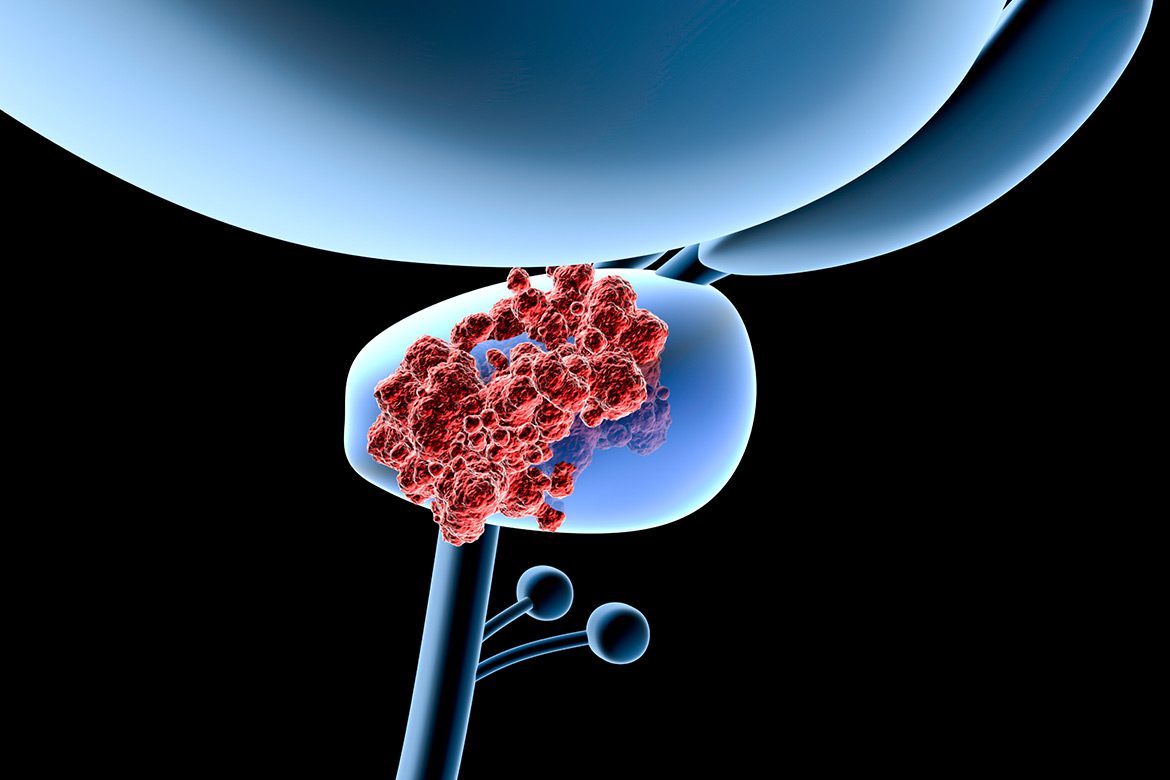
Urethral cancer is a rare malignancy that begins in the urethra, the tube that carries urine from the bladder out of the body. Although it accounts for a small percentage of all urologic cancers, it can be aggressive and requires timely diagnosis and treatment. This condition affects both men and women but is more commonly diagnosed in men, particularly those over age 60.

Types and Risk Factors

Urethral cancer can develop from different types of cells lining the urethra. The most common histological types include:

  • Squamous cell carcinoma: Arises from the cells lining the urethra and is most common
  • Transitional cell carcinoma: Originates from the cells near the bladder
  • Adenocarcinoma: Develops from glandular tissue

Risk factors include:

  • Chronic inflammation or infection of the urethra
  • History of sexually transmitted infections
  • Urethral strictures or recurrent urinary tract infections
  • Human papillomavirus (HPV) infection
  • Previous radiation therapy to the pelvis
  • Smoking
CONTACT US TODAY
A-young-man-visiting-a-doctor-for-a-checkup

Symptoms

Symptoms may develop gradually and often mimic other urologic conditions. Common signs include:

  • Blood in the urine (hematuria)
  • Weak or interrupted urine stream
  • Painful urination
  • A lump or thickening in the perineum or penis
  • Urinary retention or obstruction
  • Discharge or bleeding from the urethra

Diagnosis

Evaluation begins with a physical examination and patient history. Diagnostic tests may include:

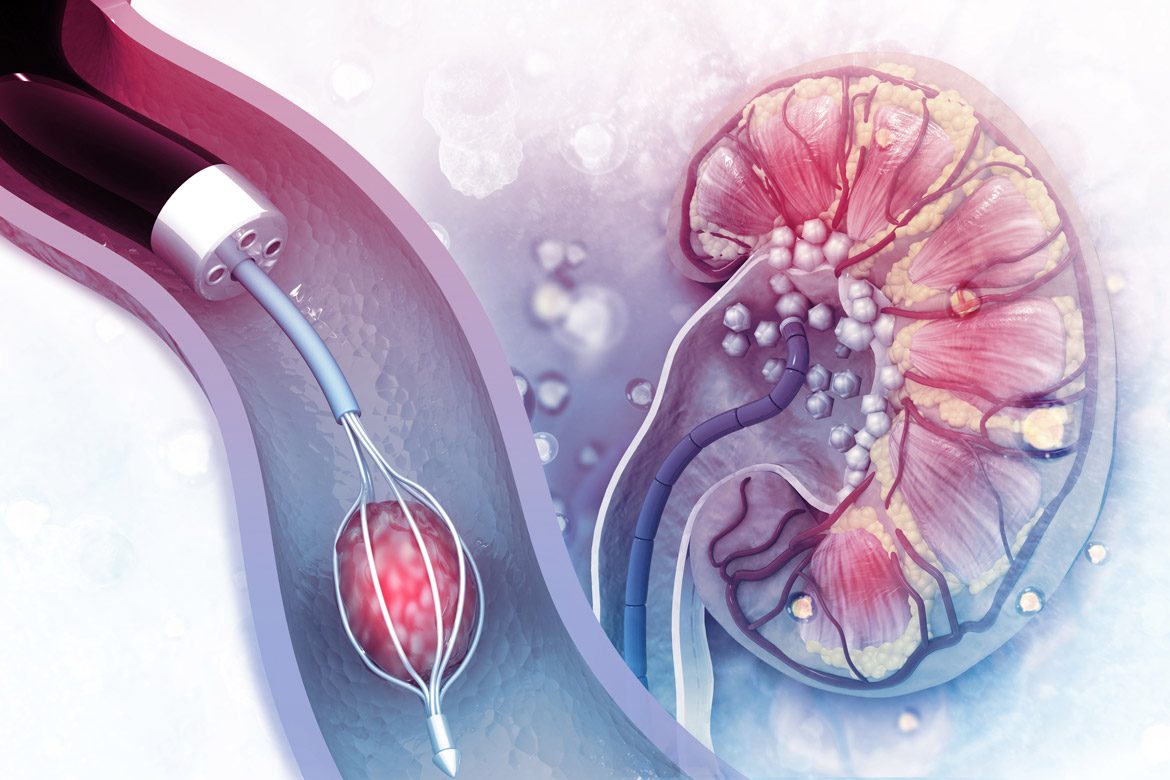
  • Cystoscopy: To visually inspect the urethra and bladder
  • Urethral biopsy: To confirm the presence of cancer cells
  • Urine cytology: To detect abnormal cells in the urine
  • Imaging tests: MRI, CT scan, or pelvic ultrasound to determine the extent of the disease

Staging is based on tumor size, location, and whether the cancer has spread to nearby tissues or lymph nodes.

Treatment Options

Treatment depends on the tumor’s location, size, stage, and the patient’s overall health. Options include:

  • Surgical Excision: Removal of part or all of the urethra; sometimes includes adjacent tissues or lymph nodes
  • Urethrectomy: May be partial or total, depending on cancer involvement
  • Radiation Therapy: Used alone or in combination with surgery for local control
  • Chemotherapy: May be recommended for advanced or metastatic disease

In some cases, a multidisciplinary approach is necessary to balance cancer control with preservation of urinary and sexual function.

Follow-Up and Outlook

Long-term surveillance is important to monitor for recurrence, especially within the first few years after treatment. Prognosis varies by stage and location of the tumor, but early detection improves outcomes significantly. Rehabilitation and support services are often recommended to help patients adjust to changes in urinary or sexual function following treatment.